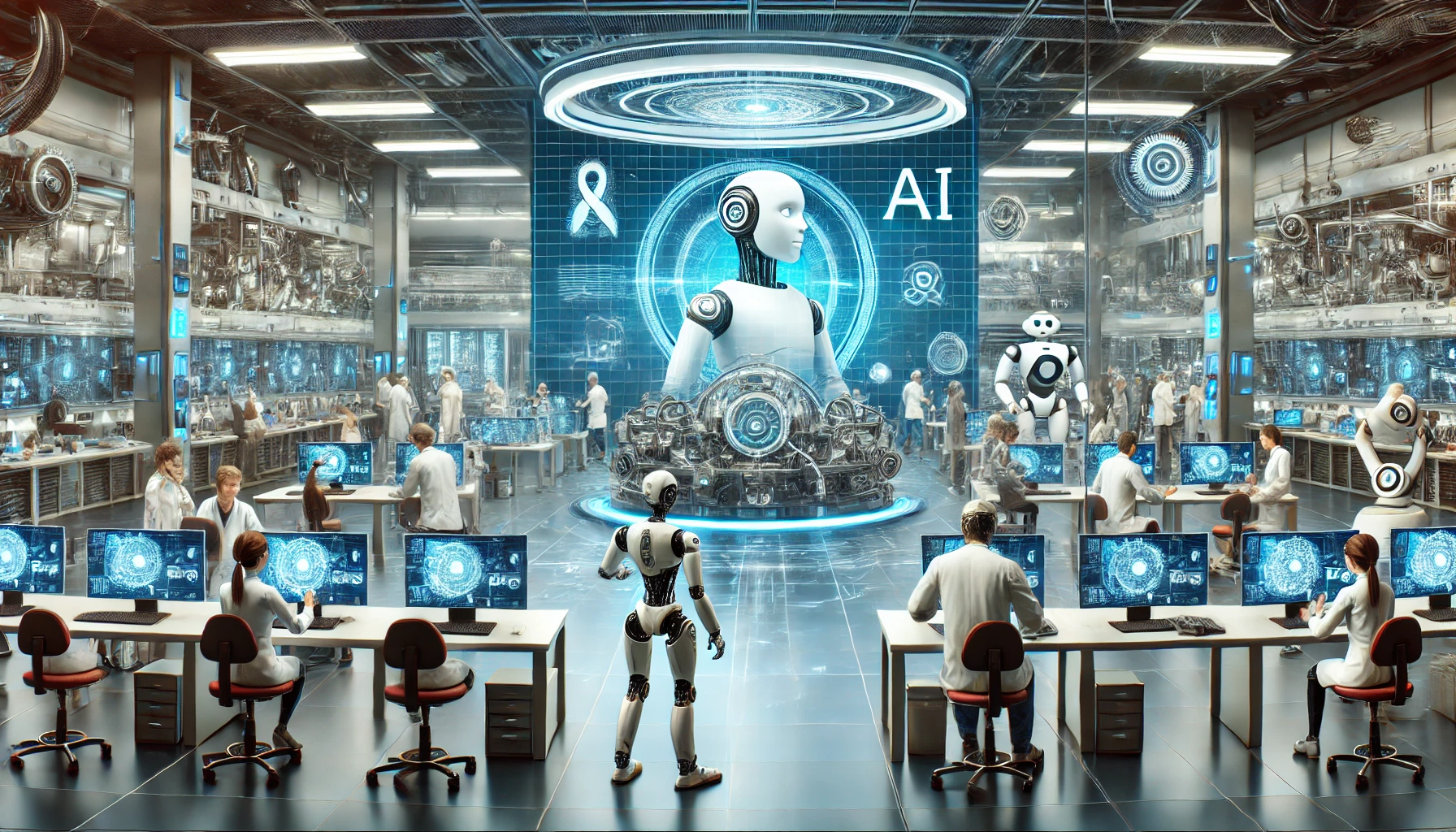

Record-Breaking Black Friday: AI Shapes the Future of Online Shopping
In a digital twist to the annual shopping bonanza, artificial intelligence (AI) played a pivotal role in driving U.S. online Black Friday sales to a record $11.8 billion in 2024 — a notable 9.1% increase compared to the previous year. This surge highlights a significant shift in consumer behavior, as shoppers increasingly turn to intelligent shopping tools to enhance their purchase decisions amid complex market dynamics.
AI Chatbots Take Center Stage
This year’s Black Friday was marked not by long lines at big-box retailers but by the soaring traffic from AI-powered digital shopping assistants. Tools such as Walmart’s Sparky and Amazon’s Rufus were instrumental in driving users to retail websites. According to Adobe Analytics, which monitors over one trillion visits to online retail platforms, AI-originated traffic skyrocketed 805% year-over-year — an astounding figure that underlines the growing reliance on AI in e-commerce.
Smart Assistants, Smarter Shoppers
What’s behind this revolution? These AI tools are far more than simple customer-service bots. They’re now sophisticated digital shopping allies that allow consumers to:
- Compare prices in real time across multiple platforms
- Locate the best available discounts on desired products
- Receive product recommendations based on previous purchases
- Predict future price trends or impending stock shortages
This level of interactivity not only enhances the overall customer experience but also empowers users to make more informed and cost-effective decisions, particularly during high-stakes sales events like Black Friday.
Tariff Concerns Drive Digital Deals
Another compelling factor behind the shift to AI-fueled online shopping is concern over potential tariff-induced price hikes. With uncertainty about future import costs, many consumers expedited their purchases, using AI to lock in current-day savings. In this climate, the ability of bots to source the lowest prices became not just a convenience — but a necessity.
Retailers Embrace AI to Stay Competitive
It’s not just consumers reaping the benefits of AI. Major retailers are embracing these cutting-edge technologies to streamline operations and drive traffic. Walmart and Amazon spearheaded this movement, but others are quickly following suit. Retailers are leveraging AI for:
- Personalized marketing automation
- Inventory optimization that aligns with demand predictions
- Customer service automation that reduces labor costs
The goal? To create frictionless, engaging online experiences that edge out brick-and-mortar competition.
How AI is Rewriting the Rules of E-Commerce
The tremendous growth in AI-driven shopping activity this Black Friday is more than a seasonal anomaly — it’s a glimpse into the future of retail.
From Casual Browsing to Conversion-Driven Journeys
AI doesn’t just serve content—it crafts a journey. By learning customer behavior and responding dynamically, these tools ensure that online shoppers are not just browsing, but actively converting. Every scroll, click, and search feeds more data into the system, leading to a stronger customer-retailer relationship.
AI is Redefining “Customer Service”
Forget waiting on hold or being rerouted to multiple departments. With AI, help is instant and increasingly human-like. Natural language processing and machine learning advancements ensure that shoppers are supported from pre-sale queries to post-sale follow-ups—24/7.
Looking Ahead: A More Intelligent Shopping Season
As the holiday shopping season continues, all signs point toward an even bigger role for AI heading into Cyber Monday and beyond. Retailers that can effectively integrate and scale these technologies will be in a stronger position to capture market share, while consumers become increasingly comfortable with delegating parts of their shopping journey to digital assistants.
Conclusion: The AI Advantage is Just Beginning
This Black Friday, the combination of accessible AI technology, shifting consumer preferences, and economic considerations laid the groundwork for a historic day in digital retailing. While the $11.8 billion headline figure speaks volumes, the true takeaway is this: AI has fundamentally changed how we shop—and it’s only getting started.
For retailers and marketers alike, this represents both a challenge and an opportunity: adapt to the intelligent era of commerce, or risk being left behind. As shoppers demand smarter, faster, and more personalized experiences, AI is proving to be the ultimate retail disruptor.

Leave a Reply