AI’s Accelerating Impact on White-Collar Jobs
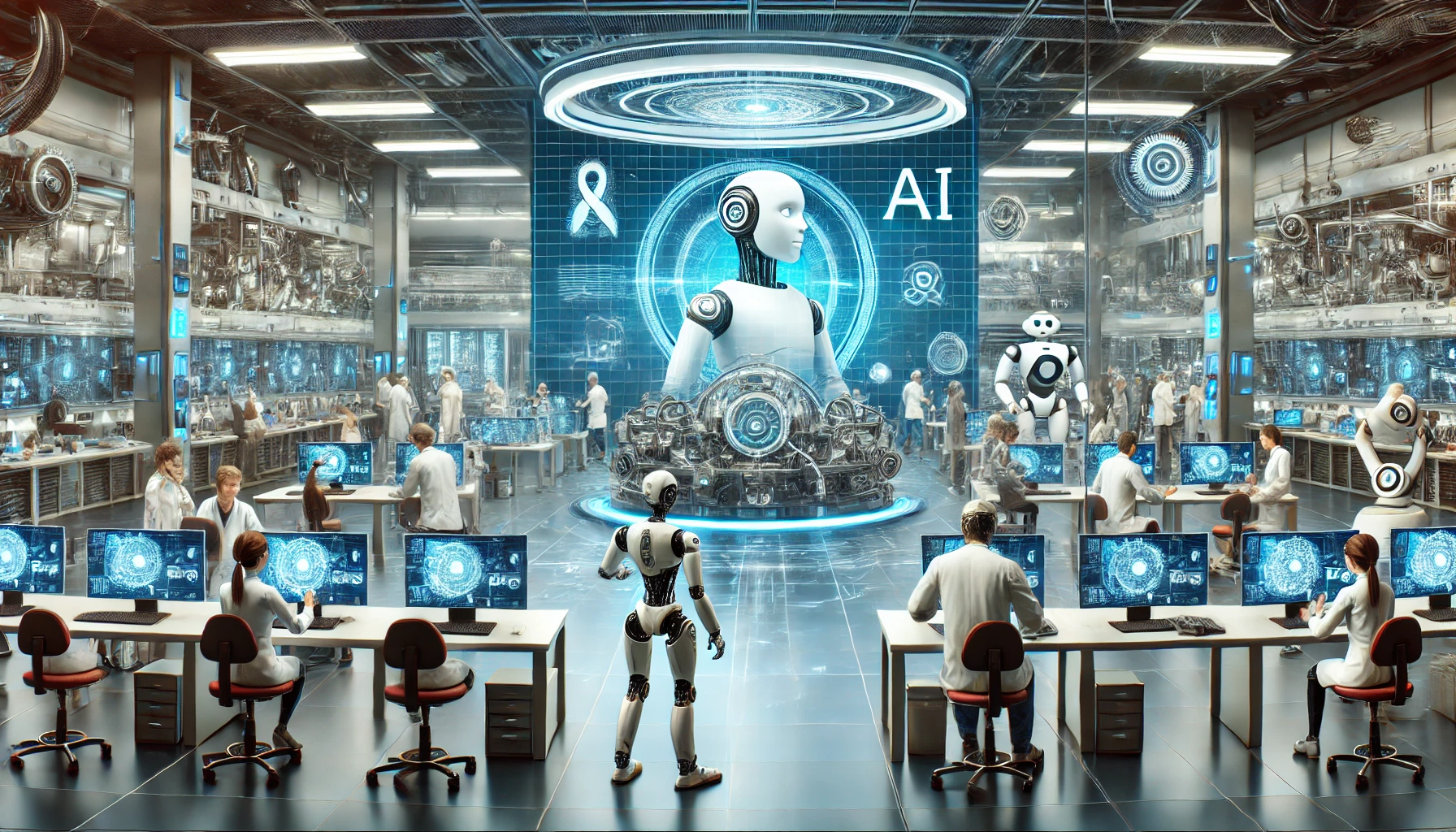
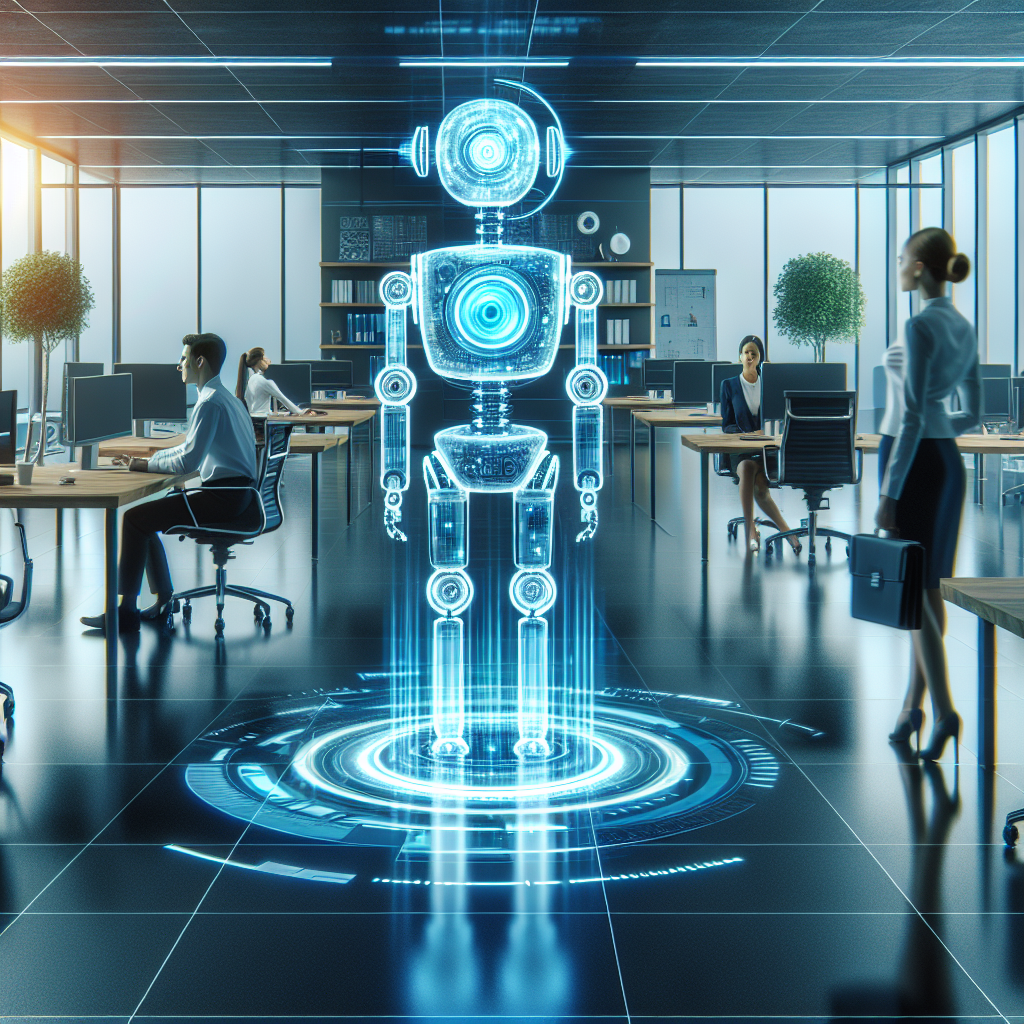
For decades, automation was largely viewed as a blue-collar issue—one that primarily affected factory workers and manufacturing plants. But the 2020s have ushered in a new reality: artificial intelligence is rapidly reshaping white-collar work. As AI systems grow increasingly capable of performing cognitive tasks, office workers, analysts, and even professionals in finance and law are beginning to feel the pressure.
This transformation is set to redefine the American workforce. The question is not only which jobs will be impacted, but how quickly—and what that means for millions of skilled workers across the country.
The New White-Collar Threat
When generative AI tools like ChatGPT, Copilot, and Gemini first debuted, they were seen as productivity boosters—virtual assistants that could help write emails, summarize documents, and handle repetitive paperwork. But since then, the scope of AI’s potential has expanded dramatically. Companies and institutions across various industries have begun exploring ways AI can reduce labor costs, automate decision making, and even generate strategic insights.
According to recent expert analysis, AI is now poised not just to enhance work, but replace a significant portion of white-collar roles. This includes sectors once thought immune to automation:
- Legal professionals such as paralegals and junior attorneys
- Finance and accounting teams handling routine analysis and audits
- Administrative roles including HR assistants and scheduling coordinators
- Marketing and content creation through AI-enhanced writing, design, and targeting
The Speed of Displacement
What makes today’s AI-driven labor shift unique is its unprecedented speed. Unlike previous technological revolutions, which unfolded over generations, AI’s growth has been exponential. As companies increasingly adopt generative tools into their workflows, layoffs and restructuring may follow with surprising immediacy.
A key concern is that this wave of job displacement may affect high-income earners more quickly than anyone expected. Axios reports that this restructuring could lead to a “class reshuffling,” with traditionally well-compensated workers being hit before lower-wage service and manual labor sectors.
The Innovation Paradox
Among economists and policymakers, the current situation presents a painful paradox: AI innovation could both advance the economy and exacerbate inequality. As businesses gain productivity and profit from AI adoption, large segments of the workforce could be rendered obsolete, resulting in:
- Higher unemployment among college-educated workers
- Widening income disparities between tech-savvy and non-technical workers
- Increasing pressure on the education system to quickly retrain displaced professionals
What could make this trend even more troubling is the concentration of economic benefit. A fraction of highly skilled programmers, AI researchers, and investors may reap outsized gains, while the broader middle class shoulders the costs of displacement.
The Need for a Societal Response
Facing an impending shift in the job market, experts are calling for urgent policy intervention and a rethinking of work and education. To counter mass displacement and support long-term economic stability, some leading proposals include:
1. Massive Investment in Worker Retraining
Federal and state governments may need to significantly expand access to adult education, coding bootcamps, and certifications in emerging technologies. The emphasis would not just be on digital skills, but also problem-solving, ethics, and critical thinking—areas where humans still excel.
2. Rethinking the Social Safety Net
Unemployment insurance and social welfare programs may need redesigning to support waves of white-collar layoffs. Don’t be surprised if conversations around universal basic income (UBI) resurface as AI continues to replace cognitive labor.
3. Encouraging Ethical AI Deployment
Businesses must also be held accountable. There’s a growing call for responsible automation strategies that promote AI as a tool for human augmentation rather than pure replacement. That includes impact assessments and transparency around workforce changes.
Optimism with Caution
Despite widespread concern, not all projections are bleak. Historically, technological revolutions have also created new classes of jobs. AI could give rise to careers that don’t currently exist—much like how the internet created digital marketing, cybersecurity, and app development roles. However, the speed of transformation will test how quickly workers and institutions can adapt.
Whether AI becomes a democratizing force or a destabilizing one depends on choices made now—by policymakers, business leaders, and educators.
Final Thoughts: AI and the Future of White-Collar Work
The debate on AI job displacement is no longer theoretical. It’s already happening, and it’s happening fast. For a generation raised on college degrees and climbing the corporate ladder, the looming presence of generative AI is more than a curiosity—it’s a career reckoning.
As we stand on the edge of this transformation, one truth is clear: nothing will chart the future of America more than if — and how fast — AI begins to destroy good-paying jobs. Preparing for that future will require foresight, adaptability, and a renewed commitment to inclusive progress.

Leave a Reply