AI-Created Virus: A Monumental Step in Synthetic Biology
In a groundbreaking scientific development, researchers have unveiled a virus that was entirely designed and synthesized using artificial intelligence. This marks a significant advance in both synthetic biology and the use of AI in life sciences, blurring the lines between naturally occurring life forms and those forged in the lab.
According to scientists involved in the project, the lab-created virus closely mimics the structure of naturally occurring viruses, opening up new possibilities for vaccine research, gene therapy, and potentially, future biosecurity risks.
Blending Artificial Intelligence with Genetic Engineering
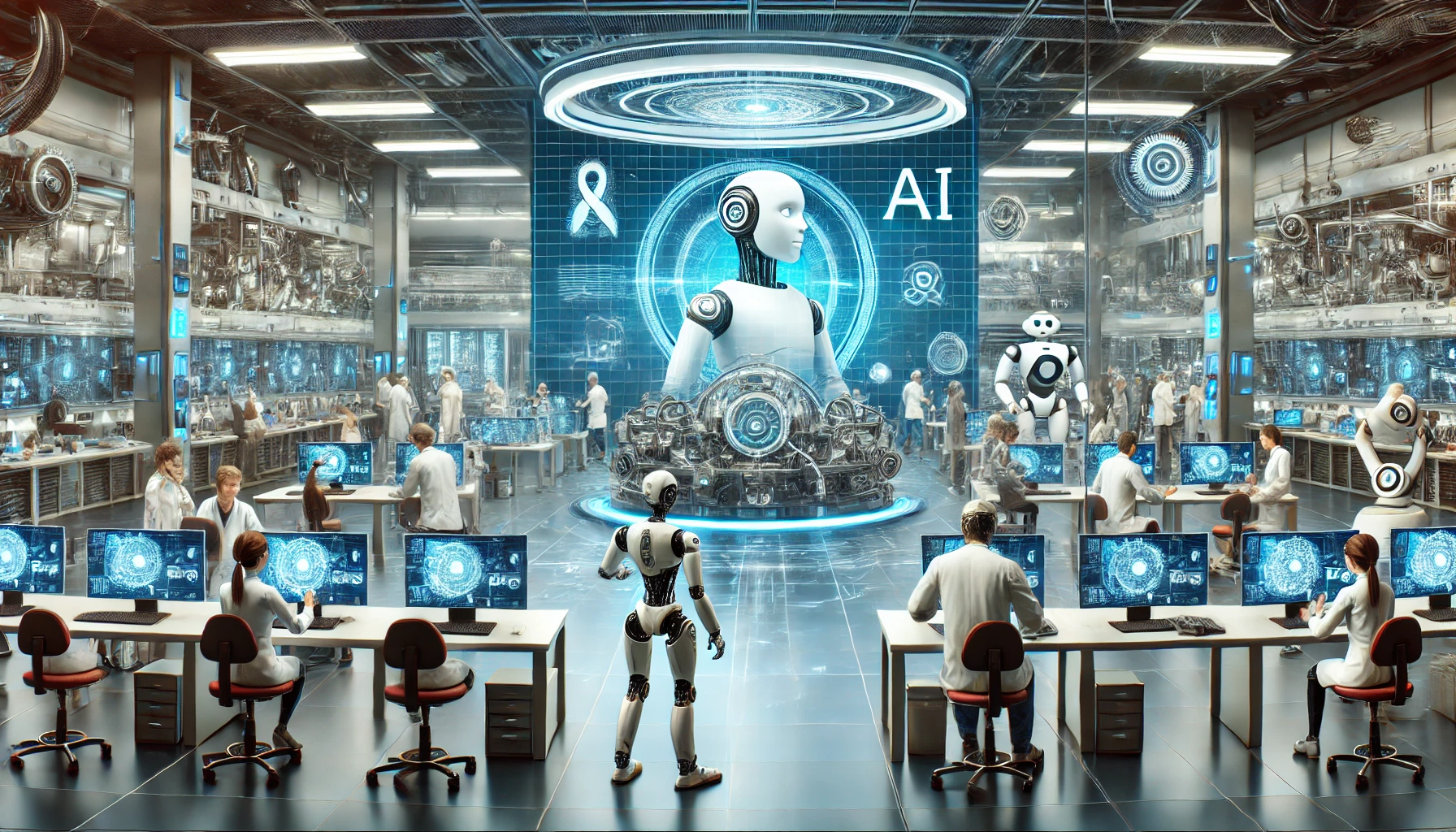
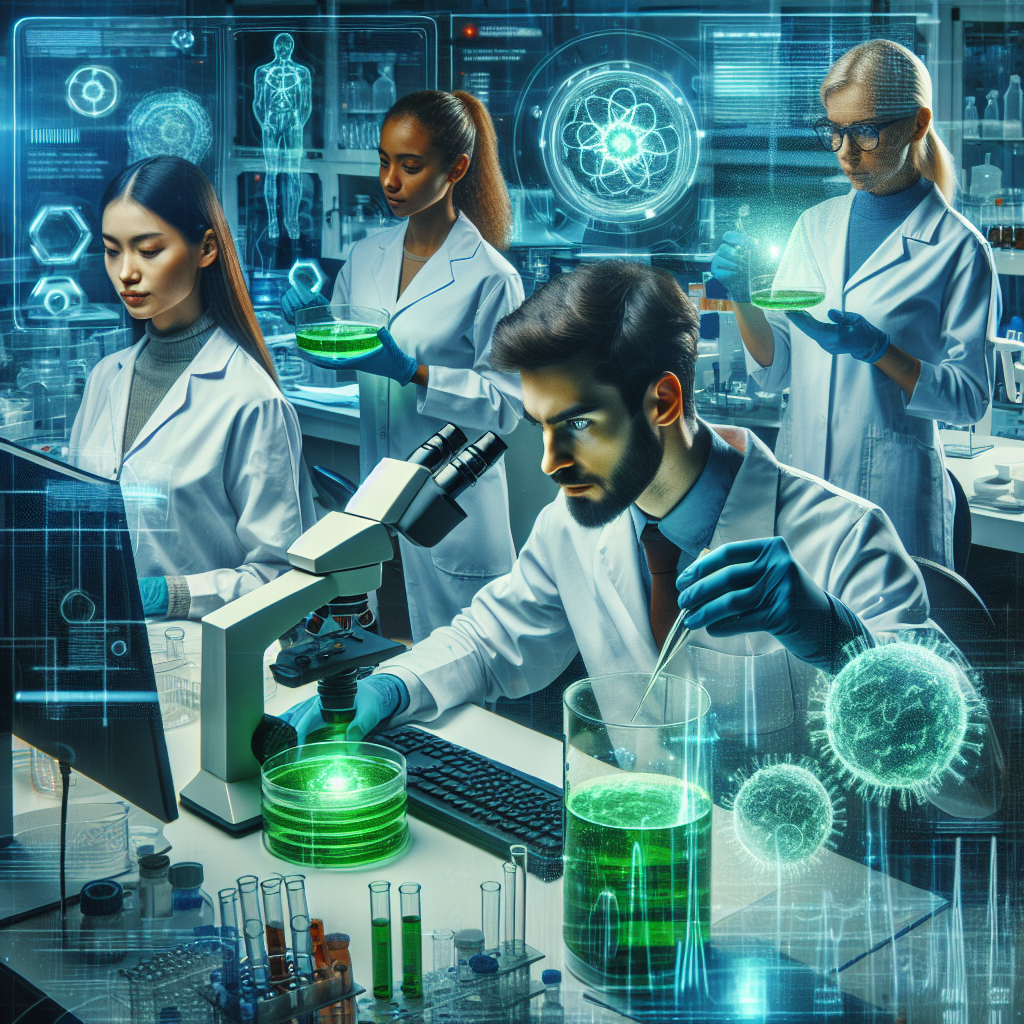
The virus was created through a powerful fusion of AI algorithms and state-of-the-art gene synthesis technology. Researchers trained AI models to learn the genetic structure of existing viruses and predict the ideal DNA combinations capable of forming a functioning viral entity. The result was a novel virus—one that has never existed in nature.
This innovative project wouldn’t have been possible without advances in machine learning. By analyzing vast datasets of virology information, the AI was able to produce a genome that exhibited all the critical characteristics of known viruses—capsid structure, replication mechanism, and infection dynamics—without duplicating any existing virus.
Potential Applications: From Medicine to Material Science
While the word “virus” usually carries negative connotations, the creation of synthetic viruses has the potential for a wide array of positive applications:
- Vaccine Development: Lab-designed viruses can serve as models for studying pathogen behaviors, aiding in the creation of more effective vaccines.
- Gene Therapy: Engineered viruses can be used as delivery tools to transport therapeutic genes directly into patients’ cells.
- Biodegradable Materials: Some viruses can be adapted for use in materials science, producing biodegradable alternatives to plastics.
Ethical Concerns and Biosecurity Risks
Despite its scientifically rich implications, this invention is also raising serious concern among ethicists and biosecurity experts. The ability to design virulent agents from scratch, even for beneficial uses, carries inherent risks.
One of the primary fears is that this technology could fall into the wrong hands. If malicious actors were to access AI-based pathogen design technologies, the result could be catastrophic. The synthetic virus, though currently non-lethal and intended for laboratory study, demonstrates that the technical barriers to creating novel pathogens are lower than ever.
Scientific Transparency and Regulation Needed
Experts are calling for the establishment of oversight bodies and regulatory frameworks to manage this emerging field responsibly. At present, there is no international consensus on how to regulate AI-driven synthetic biology, but that may soon change in light of this revelation.
Open-source data sharing, ethical review boards, and collaborative international policies are among the measures being proposed to ensure that the development of synthetic life is aligned with the broader public interest.
What This Means for the Future of Life Sciences
The creation of a lab-grown virus by AI suggests a future where biology and technology are inseparably intertwined. It opens the door to a new era, one where scientists don’t just discover life—they design it.
The ability to manipulate life’s building blocks with artificial intelligence could lead to revolutionary advancements, such as:
- Personalized medicine, where treatments are customized to each individual’s genetic profile.
- Synthetic ecosystems to help combat climate change through engineered microorganisms.
- New fields of life forms never before imagined, potentially expanding our understanding of biology itself.
Conclusion: A New Frontier in Human Understanding
The AI-generated virus represents both a triumph of human ingenuity and a reminder of our responsibilities as technology stewards. As science continues to evolve, the way we think about life—its origins, its boundaries, and its potential—must evolve too.
While the ethical implications and biosecurity challenges must be taken seriously, there is no doubt that this is a monumental leap forward. As AI continues to shape science, the creation of synthetic life forms like this virus may just be the beginning of a new biological age.

Leave a Reply