Lab-Grown Life Enters a New Era with AI-Engineered Virus
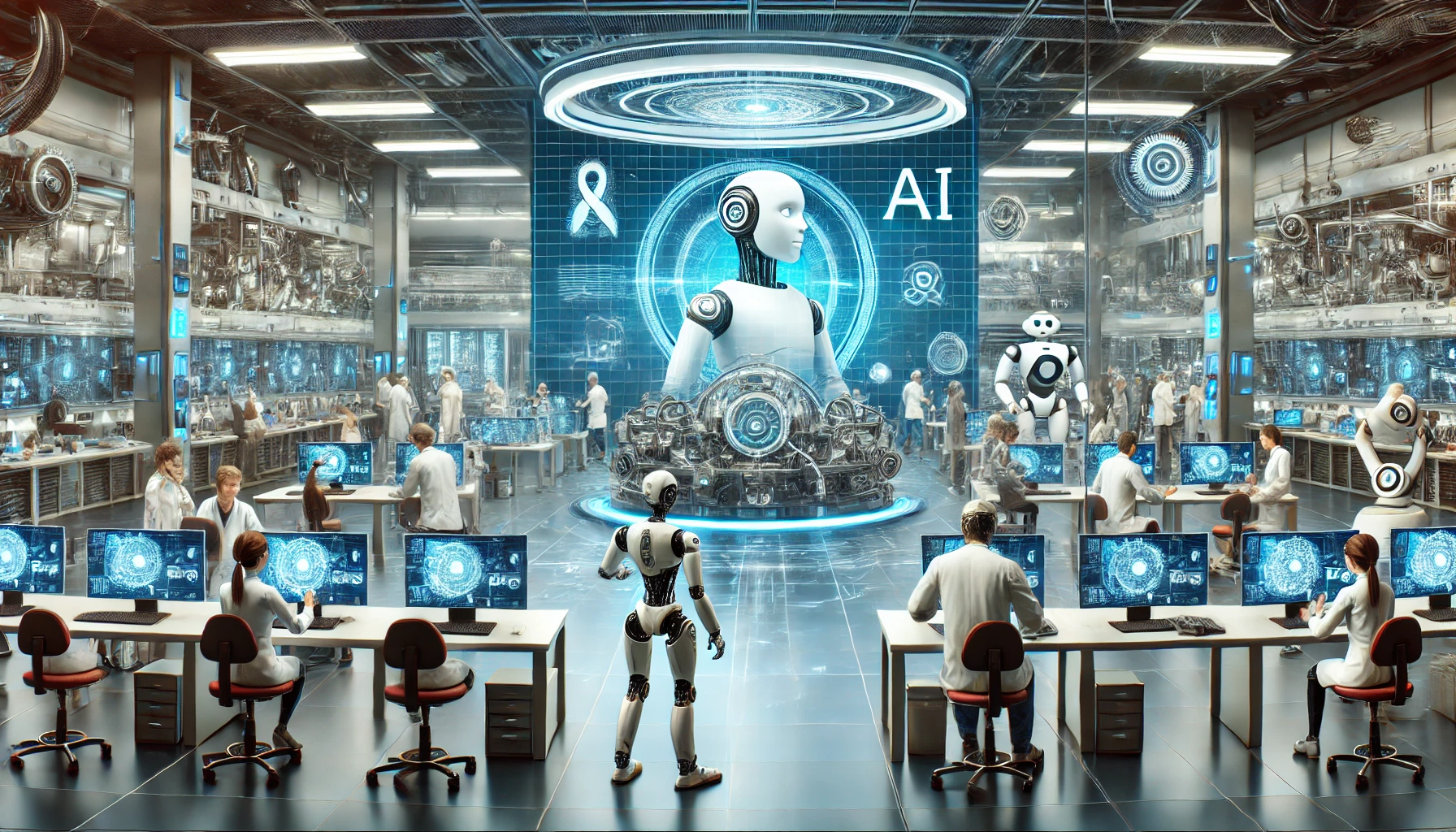
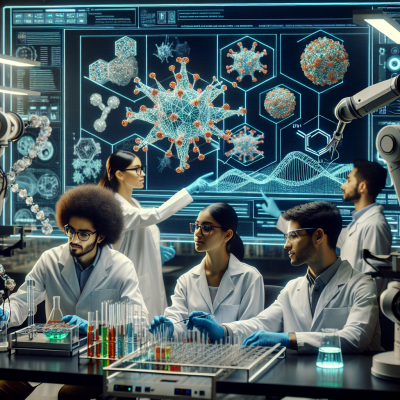
In a groundbreaking scientific advancement that blurs the boundaries between biology and artificial intelligence, researchers have successfully used AI to create a synthetic virus that has never existed before. This leap in biotechnology signifies a new era of lab-grown life and opens the door to both incredible possibilities and unprecedented ethical challenges.
The Rise of AI in Biological Engineering
Over the past decade, advances in artificial intelligence have transformed countless industries—from finance and manufacturing to health and education. Now, AI is poised to revolutionize microbiology and genetic engineering. Scientists at the forefront of synthetic biology have designed a brand-new virus inside a laboratory setting, powered by machine learning algorithms capable of modeling complex genetic information.
How It Was Created
The process began with AI models trained on the genetic structures of various existing viruses. These models analyzed and predicted how minor genetic changes affect structure, function, and pathogenicity. Scientists then used these insights to generate a viral genome that mimics real-world infection mechanics but is entirely new and synthetic.
The resulting organism is not simply a copy of a known virus—it is an entirely novel creation, showcasing the potential of AI not only in identifying patterns but also in crafting biological designs that nature has not produced.
Why This Matters: Potential Applications
The successful engineering of a brand-new virus using AI could have far-reaching implications. While this development is understandably met with cautious concern, it also unlocks incredible potential in medicine and biotechnology.
1. Advanced Vaccine Development
Synthetic viruses—especially those that do not naturally occur—can be used as safe models for studying immune responses without the risk posed by deadly pathogens. With AI-generated models, researchers can test how immune systems respond, accelerating the creation of new vaccines and antiviral therapies.
2. Understanding Viral Evolution
By modeling what viruses could evolve into, scientists may better anticipate future pandemics. By staying ahead of natural biological mutations, public health officials could establish proactive defense strategies.
3. Targeted Gene Therapy
Customized viruses can be designed to deliver genetic material to specific cells, a technique known as viral vector gene therapy. This tailored approach promises breakthroughs in treating hereditary conditions and diseases like cancer.
Red Flags: The Risks and Ethical Concerns
Despite the scientific marvel, this announcement has stirred debates about lab safety, national security, and biotechnology ethics.
Bioterrorism Concerns
The ability to create synthetic viruses through AI raises fears about the potential misuse of this technology. Rogue actors or unfriendly nation-states could exploit such tools to engineer harmful biological agents.
Unintended Consequences
There’s also the risk that even well-intentioned synthetic organisms could behave unpredictably in real-world conditions. While the virus created in this instance does not pose a known threat, future projects may not be as stable or benign.
The Role of Regulation and Oversight
With the fusion of biotechnology and artificial intelligence accelerating, global regulatory bodies will need to step in. International norms and robust oversight will be critical to ensure safe research practices and to guard against misuse.
Current Regulatory Landscape
Most countries lack specific frameworks governing AI-based synthetic biology. Scientists and ethicists are now calling for a new approach to bioengineering oversight—one that takes into consideration the exponential capabilities of AI tools.
Public Response and Cultural Reflection
This development has sparked not only scientific and ethical debates but also philosophical ones. What does it mean for something to be “alive”? And should humans be allowed to create life from scratch?
Social media reactions range from awe to alarm, with many calling this a classic example of science racing ahead of ethics. Others argue that such developments are necessary for future progress, particularly in light of recent global health crises like COVID-19.
Conclusion: A New Frontier Awaits
The AI-engineered synthetic virus marks a significant milestone in human innovation. It represents a fusion of biological understanding and computational prowess that could change medicine, public health, and our basic understanding of life itself.
Yet with great power comes great responsibility. As we push deeper into this uncharted territory, society must find a balance between scientific curiosity and moral prudence. Future innovations will no doubt follow—but how we choose to wield this new capability may define the next era of human evolution, for better or for worse.

Leave a Reply