Inside the AI Book Scanning Frenzy: A Race Fueled by Data Hunger
In a startling revelation, court documents have exposed the behind-the-scenes scramble by AI companies to gather as many books as possible in their aggressive pursuit of training data for large language models (LLMs). One of the most eye-opening disclosures involves the AI startup Anthropic, which reportedly acquired and digitized vast quantities of books — only to subsequently destroy millions of physical copies.
The move has raised serious concerns across the tech, publishing, and literary worlds about the ethics, legality, and long-term consequences of treating books as mere “fuel” for artificial intelligence models.
The Industrial-Scale Book Digitization Effort
According to the Washington Post exposé, Anthropic and potentially other AI industry players engaged in the massive and secretive scanning of copyrighted books under murky legal circumstances. The documents detail how these companies were not just purchasing books — in many cases, they were performing high-speed scanning operations followed by the outright disposal or destruction of the printed materials.
The practice, which some have likened to a modern-day digital enclosures act, has shocked many within literary and publishing circles. The scanned books were primarily used to train large AI models such as Claude, the chatbot developed by Anthropic.
“Books Became Fuel”
The metaphor used by Washington Post sources is as stark as it is unsettling: “Books became fuel.” Rather than valuing literature as a source of insight, narrative, culture, or history, millions of texts were reduced to raw data — chopped into machine-readable tokens and fed into AI training pipelines.
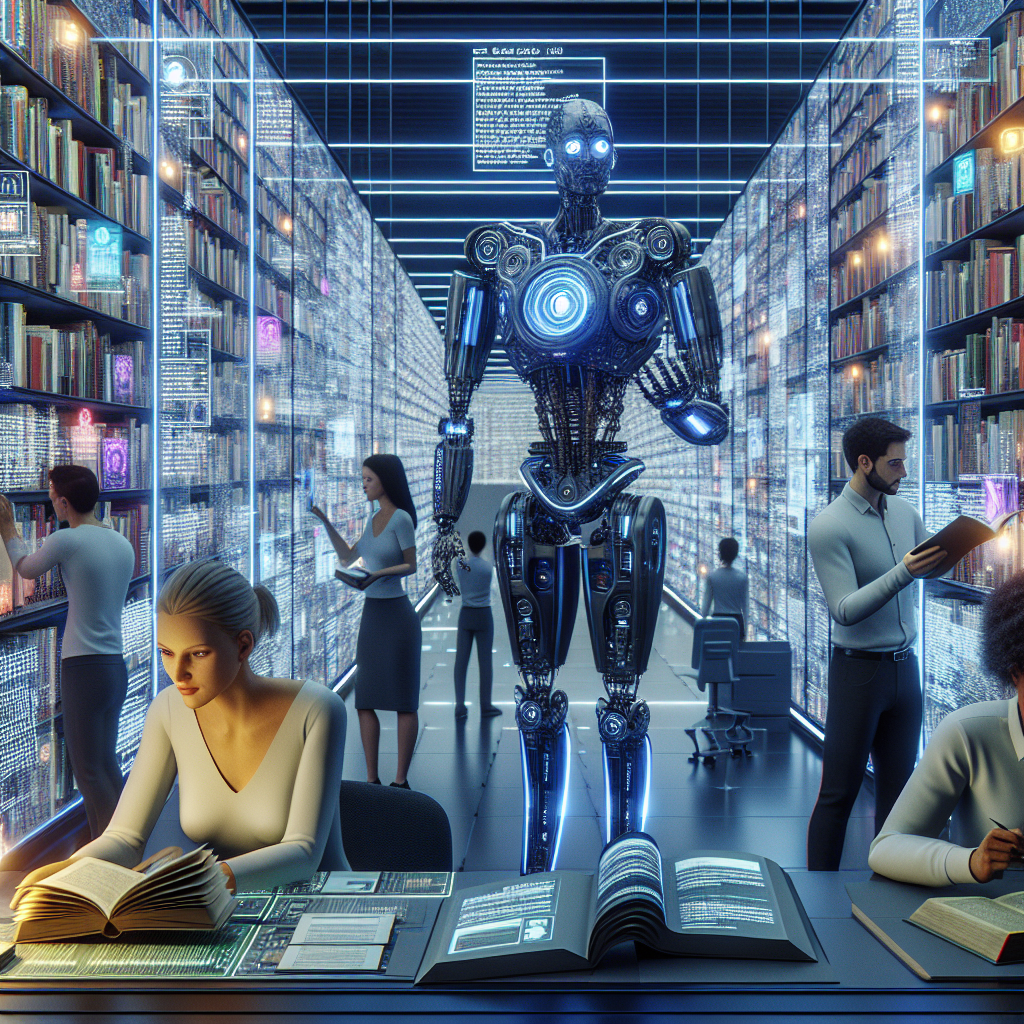
This process involved high-speed scanning machines that digitized intact books with razor-sharp accuracy. But once scanned, the physical copies were often no longer needed by the AI firms. According to court filings, they were “destroyed or dumped” to avoid the costs associated with storage or legal scrutiny.
Why AI Companies Want Books
Training a language model requires an immense amount of text, ideally from diverse and quality sources. Books represent a prime source of long-form, coherent, and high-quality language compared to the fragmented writing of blogs, tweets, or Reddit posts. Here’s why AI companies are targeting them:
- Rich content: Books often contain well-edited, deeply researched information that helps enhance an AI’s understanding of grammar, tone, argumentation, and narrative structure.
- Diversity of topics: Books span every subject under the sun, from philosophy and fiction to science and technical manuals — making them a goldmine for knowledge training.
- High token density: Long texts provide an abundance of training tokens per unit of content, increasing the efficiency of training optimization.
The Legal Gray Areas
The use of copyrighted books for AI training strays into uncertain legal territory. AI companies claim their use of data may fall under the legal doctrine of fair use, especially if the data isn’t used directly in outputs. Still, many authors, publishers, and copyright advocates argue that unauthorized scanning and ingestion is theft — plain and simple.
Several lawsuits are now underway involving major players like OpenAI and Meta. The legal arguments vary, but most hinge on the fact that these AI companies are profiting from the use of intellectual property without proper licensing, compensation, or even notification.
Ethical Implications
Beyond legalities, there are significant ethical concerns. The destruction of physical books after scanning — particularly without preservation or donation — has alarmed many in the literary arts and archival communities.
Authors and librarians worry that this behavior devalues the physical book as an object of culture and memory. With only imperfect digital copies left behind, some fear we’re accelerating a transition to a world where profit-driven, AI-readable data eclipses human-readable knowledge.
Anthropic Responds — But Questions Remain
Anthropic, founded by former OpenAI researchers and funded partly by Amazon and Google, has responded with partial transparency. According to statements, the company says it is committed to responsible AI development and is re-examining its data sourcing practices. However, it has not denied the practice of destroying books following digitization, nor has it clarified how many titles were involved or whether copyrights were respected.
Public Reaction: A Literary Culture in Crisis?
The backlash from writers, publishers, educators, and cultural institutions has been swift.
- Writers Guilds have called for transparency in AI training data, demanding a registry of used works.
- Publishing Houses are exploring new AI licensing models, similar to music publishers.
- Archivists and librarians lament the environmental and cultural cost of destroying books in bulk to turn them into data streams.
What the Future Holds
This scenario reveals a growing tension between technological progress and cultural preservation. AI companies argue that access to high-quality data is necessary to drive safer and more intelligent systems. On the other side, a chorus of critics claims that the unilateral extraction and destruction of copyrighted material corrupts the original intent of literature: to inspire, teach, and reflect humanity’s depth.
In the race to power ever-smarter machines, we may be simultaneously shrinking the human value of our books to a mere calculable utility. What’s lost in the process — and what this means for future generations who may grow up in a post-print world — is a question no algorithm can yet answer.
Conclusion
The revelations about Anthropic’s book-scanning practices serve as a rallying point for broader discussions about AI ethics, copyright law, cultural heritage, and the future of literature in a digital world. As AI developers continue to reshape society, it becomes increasingly urgent to ensure that their methods align with the public good — not only technological ambition.
One thing is clear: the debate over books, digitization, and AI has only just begun.

Leave a Reply