AI-Driven Layoffs Mark a Turning Point in Tech Employment
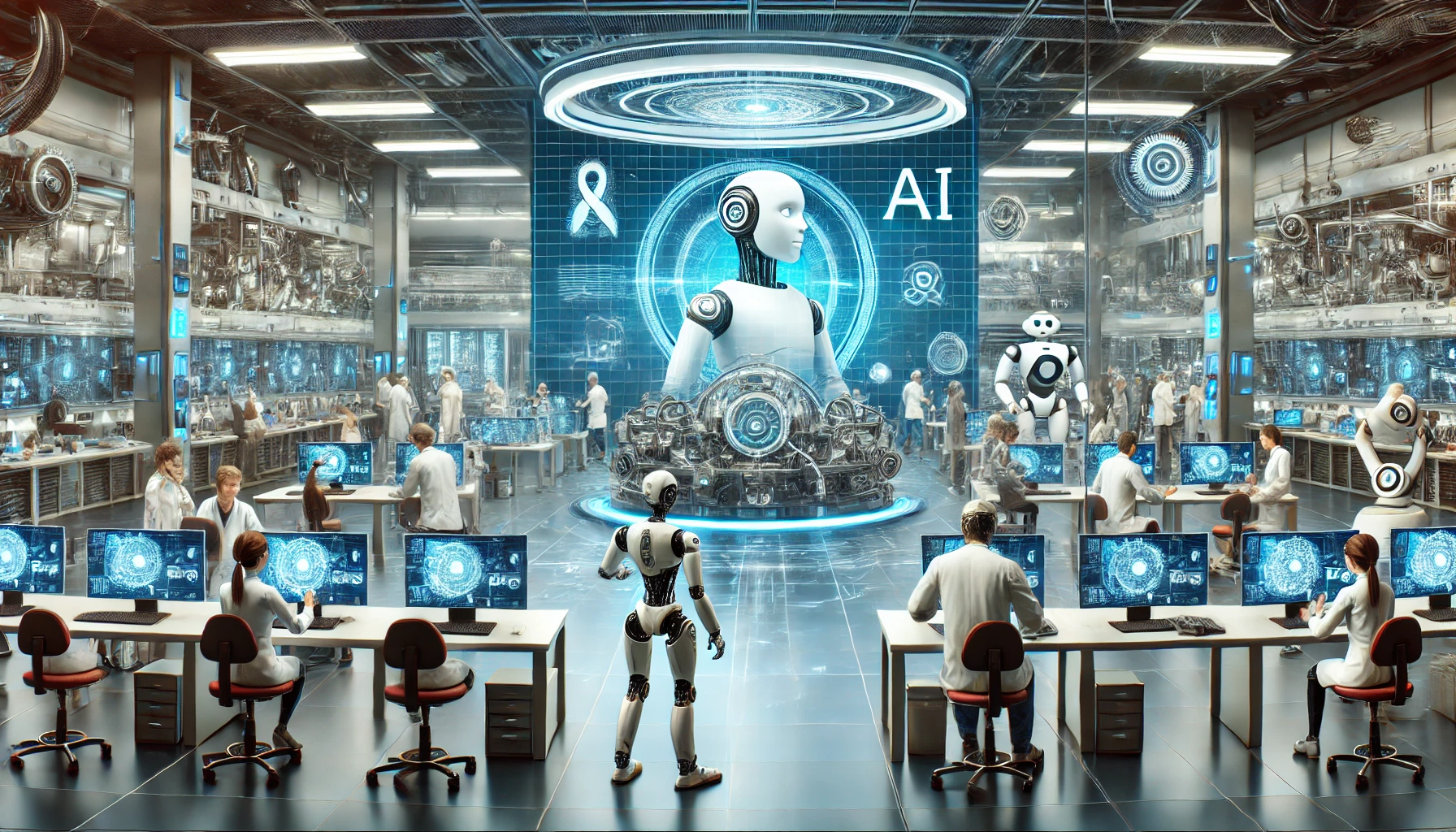
In 2025, artificial intelligence is doing more than revolutionizing tech—it’s reshaping the workforce. Leading companies like Amazon, Microsoft, and other major players have recently announced restructuring initiatives and job cuts, citing advances in AI as a key reason. This trend signals a paradigm shift in how human labor and automation coexist in the modern enterprise.
Tech Giants Turn to AI for Operational Efficiency
Recent layoff announcements from household names in tech underscore a broader trend: AI is no longer just a back-end tool—it’s driving fundamental changes in business strategy. According to reports, Amazon and Microsoft, along with several others, have included AI as a core reason behind the downsizing of thousands of roles.
These companies are investing heavily in AI infrastructure, models, and tools with the intention to streamline operations, reduce costs, and bring smarter decision-making into everyday processes. Unfortunately, this shift is often accompanied by large-scale job eliminations, particularly in roles considered redundant or easily automated.
Which Jobs Are Being Impacted the Most?
While AI opens doors for the future, the short-term impact is being felt across a wide spectrum of roles. The 2025 layoffs have been particularly concentrated in:
- Customer service and support functions – as AI chatbots and virtual assistants improve, fewer human agents are needed.
- Back-office and administrative positions – automation tools are being deployed to handle repetitive workflow tasks.
- Software QA and routine development roles – AI-assisted code generation and testing reduce manual development labor.
These layoffs highlight the ongoing challenge of aligning workforce skills with the evolving capabilities of automation technologies.
Amazon and Microsoft Lead the AI Pivot
Both Amazon and Microsoft have positioned themselves at the forefront of AI transformation. Amazon, with its sprawling retail and logistics empire, is implementing AI to optimize supply chains, manage warehouse operations, and personalize customer experiences. This push is reducing the need for certain middle-management and operations-based roles.
Meanwhile, Microsoft is doubling down on its investment in generative AI and cloud-integrated AI services through Azure. Internally, it’s using AI to restructure project management cycles and automate software workflows—corresponding with reductions in headcount across product and engineering units.
Public Reaction and Workforce Concerns
The 2025 layoffs have stirred up an ongoing debate about the future of work. On one hand, AI is making companies more agile and more capable of handling complex analytical tasks. On the other, thousands of jobs are becoming obsolete or drastically redesigned.
Industry analysts warn that while AI may create new types of jobs, the transition period could be turbulent. Many workers displaced by AI are not immediately equipped with the skills necessary for new high-tech roles, adding fuel to concerns about economic displacement and increased inequality.
Tech Leadership on the Defensive
Executives from these companies have emphasized that AI reduces inefficiency and helps reallocate resources to areas of innovation. Satya Nadella, CEO of Microsoft, stated in a recent earnings call that AI “allows us to do more with less” and “empowers employees to focus on high-impact work.” Similarly, Amazon’s leadership pointed to growing consumer demand for faster, more intelligent services as a justification for AI-related restructuring.
The Path Forward: Re-Skilling and Workforce Evolution
As AI continues to redefine business models, the emphasis now shifts toward enabling the workforce for the future. Companies, governments, and educational institutions must collaborate to reskill workers affected by automation. Initiatives like AI literacy programs, vocational training in data-related roles, and collaborative tech bootcamps can play a crucial role in bridging the skills gap.
Recommendations for Employers and Employees
For organizations navigating a similar transformation, some best practices include:
- Transparent communication – keep employees informed about how AI will affect their roles.
- Investment in training programs – offering pathways to re-skill staff for AI-integrated roles.
- Proactive workforce planning – anticipate future skills needs before implementing large-scale automation.
For workers facing uncertainty, the best defense is preparation. Acquiring hybrid skills—those that combine technical understanding with human insight—can be a strategic differentiator in the AI age.
Conclusion: AI’s Role in Redefining the Workplace
The 2025 layoffs underscore the dual-edged nature of technological advancement. AI is ushering in a new era of productivity, but not without significant social and economic implications. As Amazon, Microsoft, and other tech titans lean deeper into AI, the ripple effects on employment will continue to evolve.
The key lies in human adaptability. By fostering continuous learning and embracing the evolving synergy between man and machine, businesses and individuals alike can turn disruption into opportunity. The AI-driven changes in 2025 are not just layoffs—they’re a wake-up call to rethink the future of work.

Leave a Reply