Elon Musk’s Radical View: The End of Jobs as We Know Them
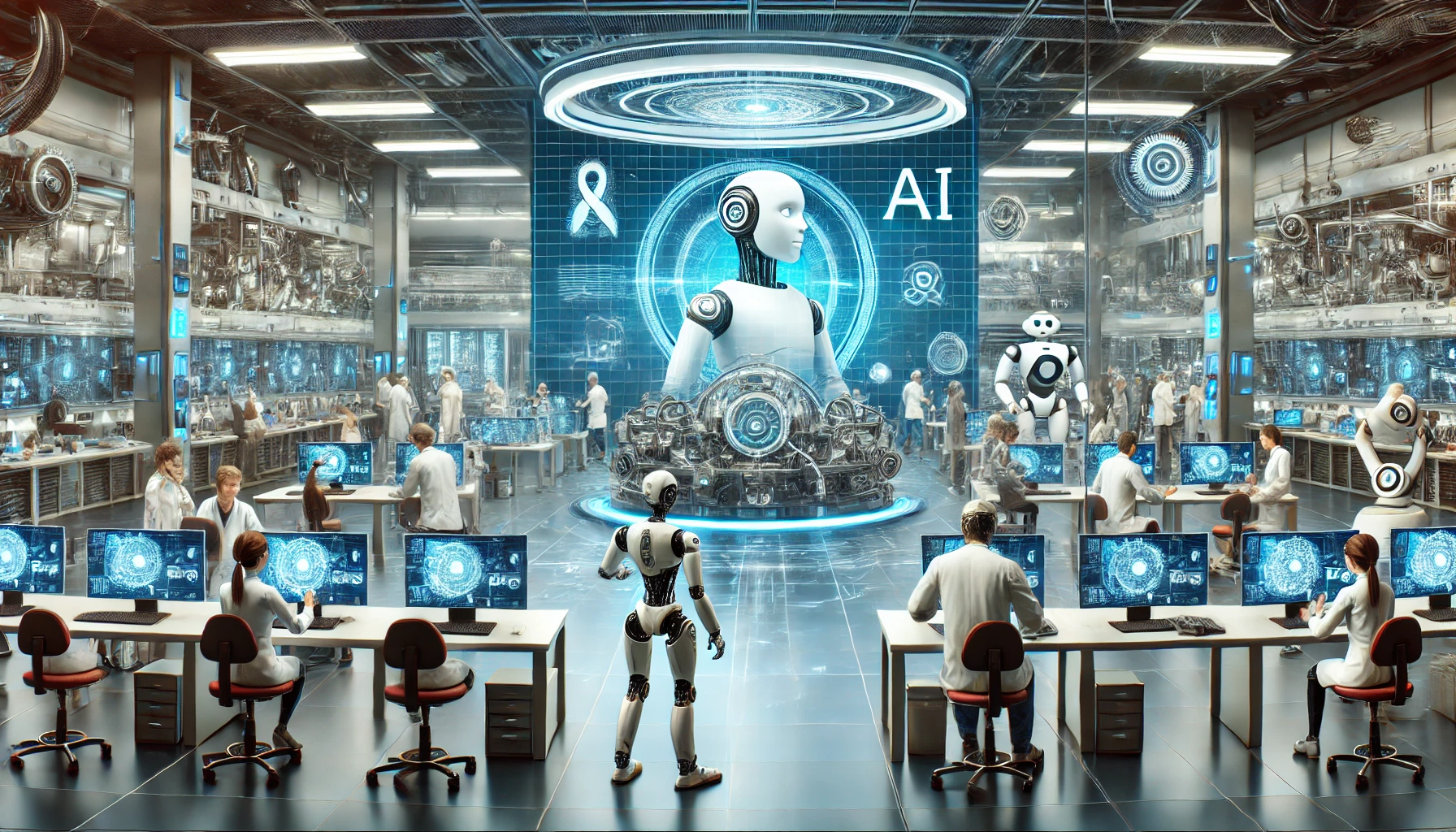
In a world racing toward automation and artificial intelligence, Elon Musk has once again sparked debate with a bold statement: the job of the future is no job at all. According to the Tesla CEO, foundational technical skills like coding are becoming commoditized, with AI increasingly able to write code and perform other complex tasks better and faster than humans. Musk’s vision for the future suggests that while technical literacy remains essential, human judgment and creativity will be the key differentiators in the post-work economy.
So what does this mean for the millions of people currently training for—or working in—tech-driven careers? And more importantly, how should investors prepare for a future where work as we know it may disappear?
The Shifting Landscape: From Coding to Cognitive Capital
As AI technologies evolve, traditional career advice may become obsolete. Musk argues that learning to code, once viewed as the golden ticket to a lucrative career, will soon no longer be a unique asset. In a landscape dominated by intelligent machines, emotional intelligence, ethical reasoning, and strategic foresight will become the new gold standards.
What Will Set Humans Apart?
While tasks like accounting, customer service, and even basic software development are increasingly automated, humans remain uniquely equipped to:
- Make ethical decisions grounded in empathy and values
- Exercise strategic judgment in complex, ambiguous situations
- Foster creativity and invent new paradigms
- Build relationships and lead with vision
Musk envisions a future where AI takes on the menial and even technical work, freeing humans to “just be”. If this sounds radical, that’s because it is. But it’s also gaining traction among technologists and economists. The question now is: how do we position our portfolios in an economy that may soon be powered more by algorithms and automation than by human labor?
How Investors Can Prepare for a Jobless Future
If Musk’s predictions hold, the definition of “value” in the global economy will experience a seismic shift. Investors who want to succeed in the long term need to reframe their perspectives, looking beyond industries hiring today to those that will shape tomorrow.
1. Invest in AI & Automation
The rise of AI is inevitable. Investors should look into companies at the forefront of machine learning, robotics, and AI infrastructure. These include:
- Chip manufacturers like NVIDIA and AMD that power AI computations
- Cloud infrastructure providers such as Amazon Web Services (AWS) and Microsoft Azure
- Enterprises with AI-native products including OpenAI, Google’s DeepMind, and Anthropic
These sectors are not only enablers of the jobless society but will also flourish as demand for intelligent systems skyrockets.
2. Rethink Education & Workforce Training Companies
In a world where traditional skills are less crucial, companies offering skills focused on creative thinking, ethics, leadership, and emotional intelligence will rise in importance. Platforms offering holistic learning—such as MasterClass, Coursera, or Mindvalley—may see increased demand.
3. Real Estate in New Tech Hubs
As remote work becomes central and AI tools decentralize productivity, new areas will emerge as tech hubs. Real estate in overlooked cities that attract digital nomads and AI professionals could become highly valuable. Think: secondary cities with fiber internet, low living costs, and higher quality of life.
4. Wellness and Leisure Industries
If the majority of traditional work fades away, what fills the void left in people’s daily routines? The likely answer: wellness, travel, creative exploration, and meaningful experiences. This makes companies in fitness tech, tourism, digital entertainment, and luxury goods solid long-term bets.
5. Universal Basic Income & Governments That Fund It
Elon Musk has long been a supporter of UBI (Universal Basic Income), arguing that when machines can do everything, income support will be essential. This suggests that governments may increase social welfare and support for non-working citizens. Invest in technologies or financial tools that facilitate social payments or government banking systems—such as fintech platforms, digital ID systems, or blockchain applications in public policy.
Closing Thoughts: Human Value Beyond Work
Elon Musk’s assertion that “the future job is no job” challenges everything we’ve traditionally believed about success and purpose. It also begs a bigger societal question: can we find value and meaning outside of wage-based productivity?
As automation replaces the need for human labor in many sectors, this transformation will require us—individually and collectively—to redefine identity, fulfillment, and community engagement.
From an investment standpoint, the opportunity lies in identifying which industries, technologies, and human-focused innovations will thrive in a world that no longer revolves around the 9-to-5 grind.
Because if Elon Musk is right, the next economic revolution won’t just automate labor—it will force humanity to reimagine life itself.

Leave a Reply