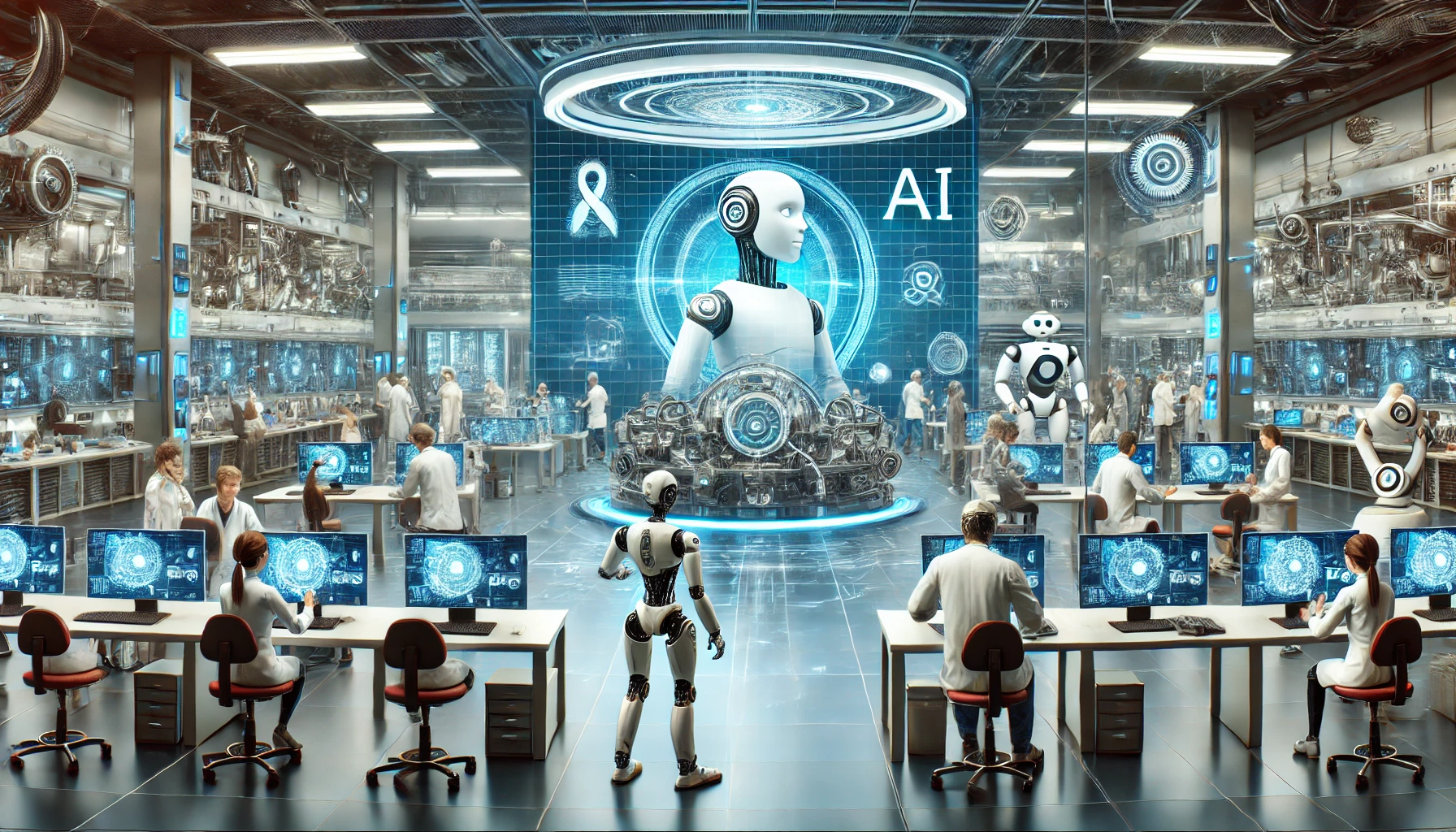

The AI Boom: Innovation or a Tech Mirage?
Artificial Intelligence has become the centerpiece of economic forecasts, innovation dialogue, and even political agendas in the United States. But a critical question is beginning to gain traction: Is AI becoming the next big economic bubble? As investors pour billions into AI startups and major firms hinge their strategies on automation and machine learning applications, America’s economy seems increasingly intertwined with the future of AI. But whether that future is sustainable—or a speculative overreach—is still uncertain.
Behind the Hype: The Current State of AI Investment
Venture capital investments in AI technologies have exploded over the past few years. From natural language processing tools to AI-driven drug discovery platforms, these technologies promise disruption across virtually every industry. Big Tech companies like Microsoft, Google, and Amazon have also sharpened their focus on AI, funneling both financial and human capital into developing smarter, more autonomous systems.
The growth has been meteoric:
- Investment in AI startups doubled between 2021 and 2023.
- AI-related IPOs have outperformed traditional tech sector benchmarks.
- Public-sector partnerships with AI firms are expanding, particularly in defense and healthcare.
Yet the scale of investment has raised eyebrows. Some economists argue that not all AI applications being funded will generate the promised returns, evoking parallels to the dot-com bubble of the early 2000s.
Economic Implications: Short-Term Euphoria vs. Long-Term Value
AI’s effect on productivity and macroeconomic trends is nuanced. In some sectors, automation has yielded measurable efficiency gains and cost savings. But in others, the transformation has been more symbolic than substantial. The challenge lies in distinguishing truly impactful innovation from “AI washing”—where companies claim to use AI without actually integrating meaningful technologies.
Key concerns include:
- Overvaluation of AI-focused firms with uncertain business models.
- Talent bottlenecks due to a shortage of skilled professionals trained in machine learning and data science.
- Displacement of traditional jobs without adequate policy planning for workforce adaptation.
Ultimately, investors and policymakers must ask: Is this economic build-up driven by real utility or speculative fervor?
The Bubble Debate: Expert Opinions Take Center Stage
According to the Atlantic’s recent discussion in their Radio Atlantic podcast, the similarities to past tech bubbles can’t be ignored. The fear is that AI may be absorbing disproportionate capital and media attention compared to its deliverables in the real economy. Though breakthroughs like OpenAI’s GPT models and Google DeepMind’s AlphaFold have demonstrated AI’s power, they remain exceptions rather than the rule.
Several economists and technologists interviewed warn that if the rapid investment is not met with equally swift output in economic value, the market could correct sharply—even violently. The fallout would ripple through not only tech sectors but the entire ecosystem of businesses dependent on digital infrastructure.
The Silver Lining: What Keeps Optimism Alive
Despite the potential pitfalls, there are compelling arguments for the long-term promise of AI. Historically, transformative technologies take time to integrate. The internet and electricity both went through periods of overvaluation before their foundational importance became undeniable. AI may well be on a similar path.
Furthermore, the U.S. has a unique advantage: a robust academic research base, world-class tech firms, and access to global capital. If regulation, education, and ethical implementation keep pace with innovation, AI could usher in a new industrial revolution rather than a bubble-bursting recession.
Is America’s Economic Fate Tied to AI?
The conversation is no longer whether AI will influence the economy. It’s about how deeply and in what form. As newer applications—from generative AI to autonomous systems in logistics—gain traction, the tech could bring both disruption and productivity growth. But the real question is sustainability: can the current pace of innovation and investment persist without a significant market correction?
Whether AI becomes a genuine economic engine or another cautionary tale of tech exuberance will depend on strategic governance, realistic market expectations, and how responsibly the technology is developed and deployed.
Takeaway:
AI holds transformative potential—but America must navigate the line between innovation and overindulgence with care.

Leave a Reply