AI Adoption: A Quiet, Steady Revolution
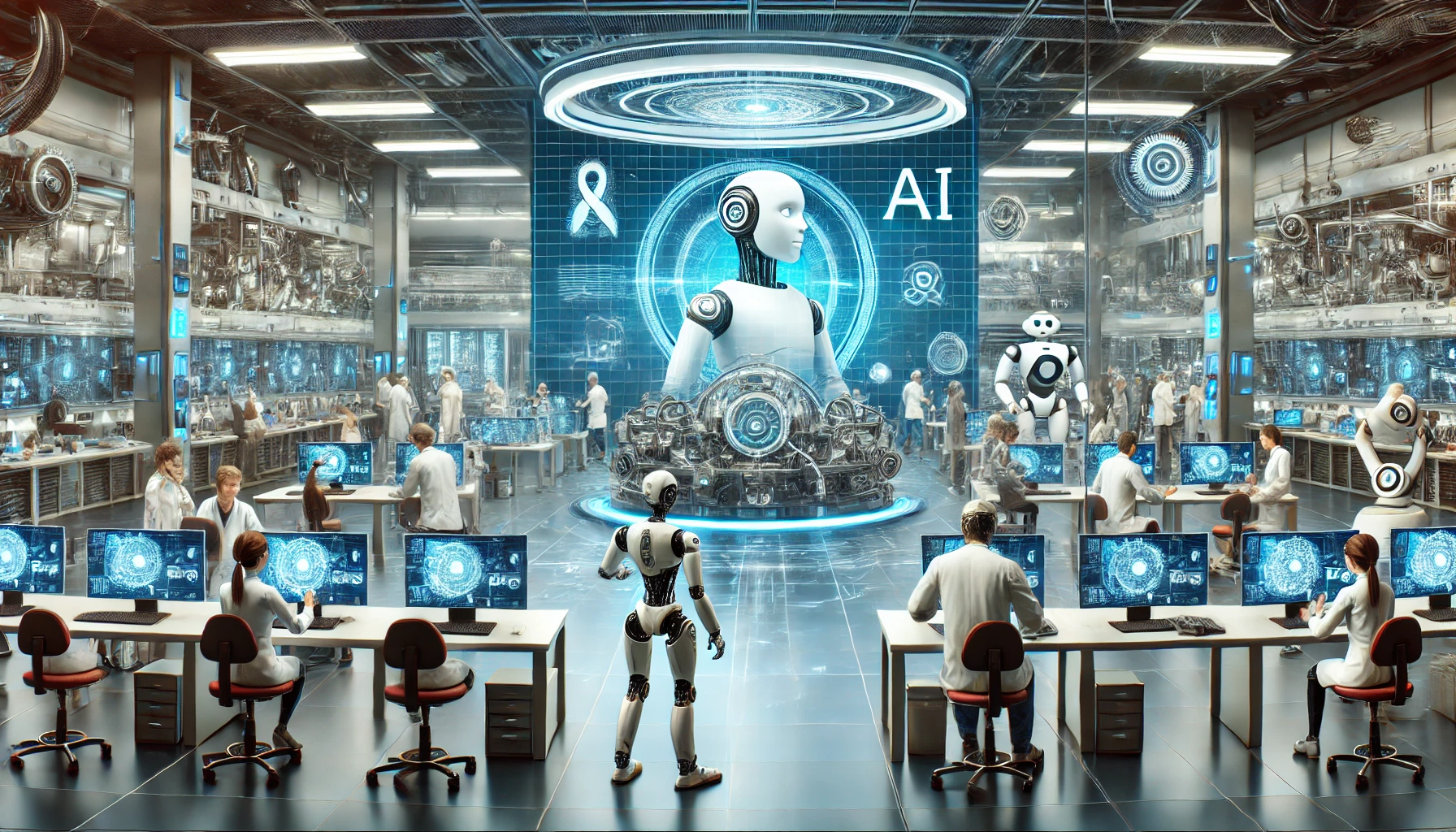
AI isn’t coming in with a bang; it’s creeping into our lives with quiet persistence. That was the message from NVIDIA CEO Jensen Huang at a recent industry event, where he discussed how artificial intelligence is gradually transforming both the tech sector and society at large. Rather than sweeping changes that resemble science fiction, Huang described AI’s integration as a “gradual creep”—one outfit, one robot, and one line of code at a time.
NVIDIA’s Pioneering Role in the AI Revolution
Under the visionary leadership of Jensen Huang, NVIDIA has gone from being a graphics chip company to a global leader in AI computing. Huang highlighted that AI isn’t just for chatbots and image generators; it is being purposefully woven into areas like manufacturing, transportation, fashion, and health care.
Huang emphasized that NVIDIA’s powerful GPUs, specifically designed to handle vast amounts of data and computation, are driving this AI adoption across industries. From deploying autonomous machines to designing robotic garments, industries are increasingly relying on AI tools to enhance productivity and innovation.
“Gradual Creep” and the Robot in Disguise
According to Huang, AI won’t appear in giant leaps like the arrival of Terminator-style robots. Instead, it will “creep” in—a robot wearing clothing, a machine embedded with subtle AI functionalities, gradually blending into the fabric of daily life.
This analogy paints a vivid picture: AI doesn’t arrive loudly but becomes indistinguishable from the tools and devices we already use. Think wearable tech that learns user preferences, logistics robots that navigate factories silently or automated digital assistants that streamline corporate workflows.
Routine Jobs Are Most at Risk
One of the more sobering aspects of Huang’s talk was his candid take on the job market. Jobs that consist entirely of routine tasks are the most vulnerable to AI disruption. Repetitive roles, like assembly line workers, traditional data entry positions, and even some customer service roles, are likely to be replaced—or significantly altered—by AI-driven technologies.
However, Huang maintained that while certain jobs may disappear, new ones will emerge. The key, he observed, lies in adaptability. Workers and employers alike must evolve, seeking education and training in AI-adjacent skills.
Industries Already Feeling the Impact
Several sectors are already seeing this shift play out:
- Healthcare: AI is powering diagnostics tools, streamlining imaging analysis, and even assisting in robotic surgeries.
- Fashion: AI-driven design tools are helping brands create more inclusive and trend-responsive collections, sometimes even incorporating robotic fabrics.
- Manufacturing: Automation and machine learning algorithms are accelerating production times while improving quality control.
- Retail: Personalized shopping assistants and AI-powered recommendation engines are reshaping how consumers shop.
Navigating the Ethical Concerns
While NVIDIA and other tech giants lead the charge in embedding AI into daily life, there are growing discussions around the ethical boundaries of these technologies. These include:
- Data Privacy: As AI becomes more embedded, the amount of data collected increases exponentially. Ensuring that personal information is used responsibly is paramount.
- Job Displacement: With routine jobs at risk, policymakers and organizations must consider safety nets and retraining programs.
- Bias in Algorithms: AI systems must be developed with fairness and inclusivity in mind to avoid unintended discrimination.
Huang acknowledged these issues, affirming that responsible AI development must go hand-in-hand with innovation.
Empowering the Human + Machine Symbiosis
Despite his warnings, Huang ultimately remains hopeful about the future. He envisions a world where humans and machines don’t compete, but complement one another.
“AI is not about replacing human creativity,” Huang noted. “It’s about amplifying it.” From robot-assisted design to intelligent tools that help with code generation, AI is positioned as an ally rather than a threat.
The Road Ahead: Education and Awareness
To prepare for this ongoing AI evolution, Huang called for a deeper emphasis on tech literacy and STEM education at all levels. As the creep of AI continues, the need for people who understand and can work alongside these systems will only grow.
Furthermore, as AI becomes more seamless and embedded—even down to the clothing we wear—it becomes vital to cultivate a culture that is both excited by and vigilant about technological innovation.
The Final Word: Embracing the Creep
NVIDIA CEO Jensen Huang’s message is clear: AI isn’t arriving in a tidal wave, but rather in gentle ripples. As it infiltrates various sectors of work and life, it’s critical for individuals, governments, and businesses to be proactive. By embracing the “creep” rather than resisting it, we stand the best chance of not just surviving, but thriving in an increasingly intelligent world.
AI may begin by subtly altering your wardrobe or factory floor, but it will inevitably reshape societal norms. Now is the time to learn, adapt, and reimagine the future—alongside our machine counterparts.

Leave a Reply