
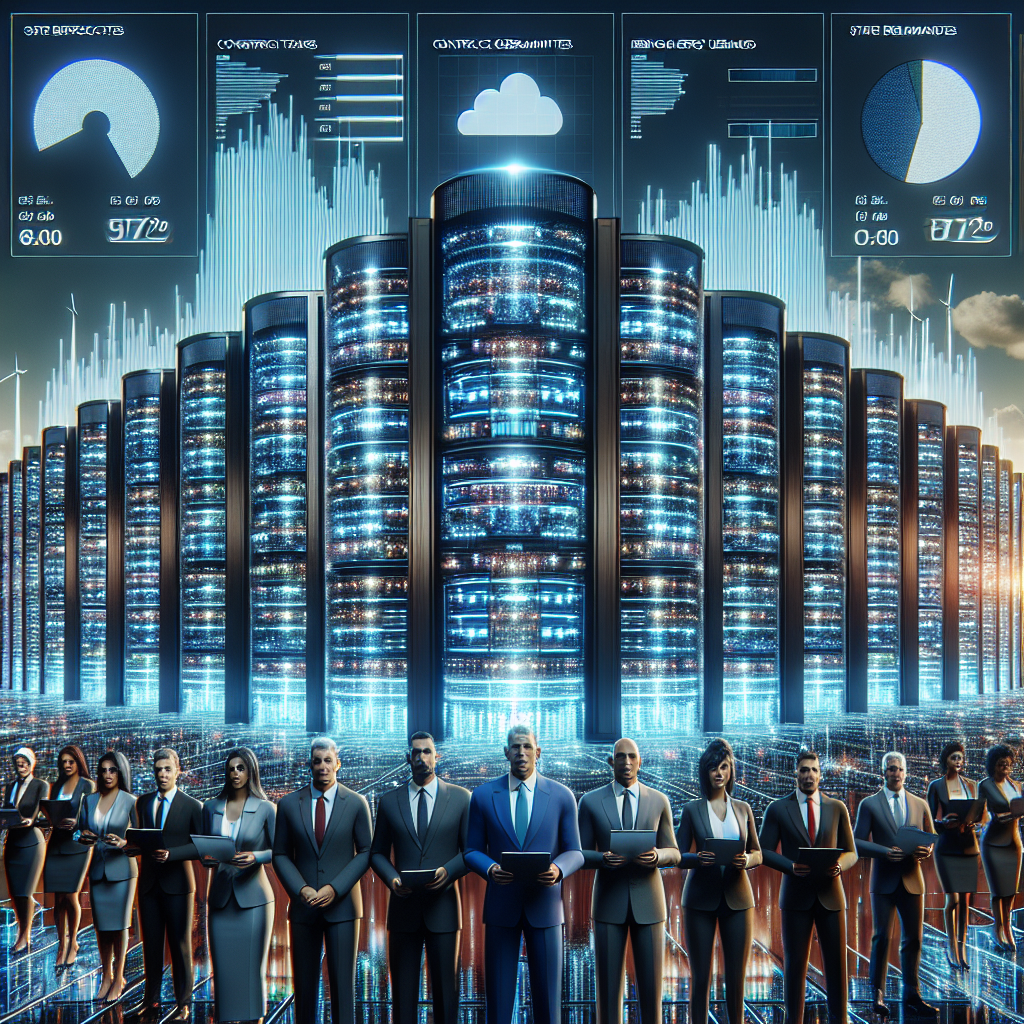
The Data Center Boom and Its Energy Appetite
As artificial intelligence (AI) evolves from tomorrow’s dream to today’s reality, it’s generating powerful ripple effects across many industries—none more so than the utility and power sectors. Data centers, the massive digital fortresses that power AI computations, are multiplying at a rate that has pushed electricity forecasts into uncharted territory. Utility companies across the United States are signaling an unprecedented spike in demand, projecting that they may need two to three times more electricity in just a few short years.
AI’s Insatiable Power Demand
AI workloads are computationally intense. Unlike traditional web hosting or even video streaming platforms, AI training programs and large language models (LLMs) like ChatGPT require extensive real-time calculations and massive server footprints. This increased demand for computational capacity requires a corresponding increase in physical infrastructure—and, more critically, in electricity.
Many new hyperscale data centers are being constructed to serve this demand, each one consuming as much electricity as a small city. According to recent industry forecasts, these facilities could require twice or even triple the grid capacity currently allocated for such centers.
Are Utilities Overestimating Demand?
While the projections are dramatic, some experts are questioning their viability. Are all these anticipated data center builds real? Or are utilities basing their forecasts on speculative projects that may never break ground?
This is not just an academic concern. If electric utilities build out grid capacity, install substations, or even construct new power plants to satisfy a demand that never materializes, they still expect to be paid—and it’s the everyday ratepayer who may foot the bill.
The Financial Risk to Consumers
Consumer advocates are raising alarms, particularly in regions managed by PJM Interconnection—the primary grid operator for a swath of territory covering all or parts of 13 states, from New Jersey to Illinois, including Washington, D.C. In this region, some utility customers are already financing infrastructure projects for data centers that are either under construction or still in the planning phase.
Even if some of the projected new data centers are delayed, scaled down, or canceled, the investments in infrastructure are not easily reversed, leading to what some call a “build now, justify later” mentality.
Who Pays for Energy Expansion?
Ratepayers are increasingly bearing the financial burden:
- Increased utility rates to pay for expanded capacity
- Subsidies and tax incentives aimed at luring data center development
- Funding for transmission lines, substations, and power generation facilities
For many households already grappling with inflation and rising energy costs, the extra financial weight of speculative infrastructure builds could be an unwelcome and hefty burden.
Balancing Innovation with Infrastructure Planning
The promise of AI is bright, and expanding the digital infrastructure to support it is crucial. However, the pace of innovation should not override thoughtful planning. It’s essential to strike a delicate balance between preparing for the future and protecting today’s consumers.
Utility companies must ensure that their forecasts are based on firm commitments and realistic timelines. Likewise, legislators and regulators should closely scrutinize infrastructure approval processes to avoid committing public funds or increasing rates unnecessarily.
Calls for Greater Transparency
Experts and advocates alike are demanding higher levels of transparency from both utilities and the companies behind data center projects. Questions that need answers include:
- Which data centers have finalized contracts?
- Are there contingency plans if projected demand falls short?
- Is energy efficiency being maximized in facility designs?
Answers to these questions can help ensure that robust power grid improvements support actual demand rather than speculative growth.
The Road Ahead
The explosive growth of AI and digital technologies presents unique challenges. Data centers will be a defining feature of our digital landscape for decades to come, but it’s imperative to construct these assets responsibly. Missteps could result in economic inefficiencies and unfair financial strain on consumers.
As we enter this new era of digitalization, energy providers, regulators, and tech companies must collaborate to ensure that energy infrastructure keeps pace with innovation—without sacrificing transparency or fiscal responsibility.
In the race to support AI, we must avoid creating a grid that’s overbuilt, overpriced, and ultimately unsustainable. Thoughtful policymaking and realistic forecasting are not just good practice—they are essential for a smarter and more equitable energy future.

Leave a Reply