
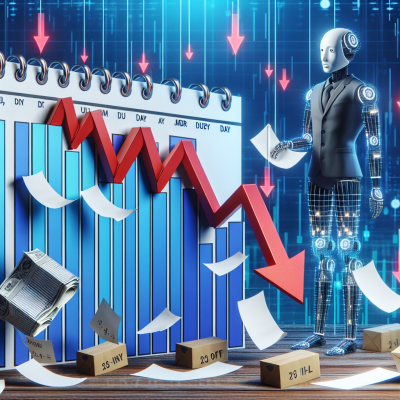
Tech Stocks Tumble as Investors Reassess Valuations
The Nasdaq Composite Index has taken a significant hit this week, dropping more than 3.5% as intensifying concerns grow over extended valuations in the technology sector. This downward pressure is prompting a broad shift in market sentiment, raising questions about whether the rally in high-growth tech stocks is beginning to falter.
High Valuations Under Fire
The primary catalyst behind the Nasdaq’s retreat appears to be mounting skepticism about the sustainability of current tech stock valuations. Many high-flying names have seen explosive growth in their share prices over the past year, driven largely by investor enthusiasm around artificial intelligence (AI), cloud computing, and digital transformation trends.
However, with the Federal Reserve signaling a data-dependent stance on interest rates and economic indicators offering mixed signals, investors are now reassessing whether these lofty valuations are truly justified in the near term.
Rising Yields Add to the Pressure
Another factor contributing to this week’s tech sell-off is the rise in U.S. Treasury yields. Increased yields typically reduce the attractiveness of future earnings—a key issue for growth stocks, which derive much of their value from future profitability.
Higher bond yields tend to impact tech especially hard, as investors shift capital toward safer assets offering more competitive returns. The realignment in risk-reward perception has led to a re-pricing of many beloved tech names.
Market Leaders Take a Hit
Prominent technology companies, including some of the Nasdaq’s biggest constituents, have seen sharp declines:
- Nvidia and Advanced Micro Devices (AMD)—both high-octane AI beneficiaries—faced steep pullbacks after surging earlier in the year.
- Apple and Microsoft—considered market bellwethers—also saw their share prices dip amid concerns about slowing growth and high market expectations.
- Smaller-cap growth stocks have been even more vulnerable, with some falling more than 10% in a matter of days.
Rotation into Defensive Sectors
The market weakness in tech has coincided with a rotation into more defensive sectors. Healthcare, consumer staples, and utilities have outperformed in recent sessions, reflecting a broader desire for stability and income in an uncertain economic environment.
A Fed-Fueled Repricing?
The Federal Reserve remains a central player in this market narrative. While inflation has moderated from 2022 highs, sticky service inflation and resilient labor markets have complicated the Fed’s path forward.
A more-likely-than-expected scenario of “higher-for-longer” interest rates is causing reevaluation of risk assets, especially those with prices baking in aggressive forward assumptions, as is the case with high-growth tech.
Investor Sentiment: From Euphoria to Caution
Sentiment has shifted markedly. A few weeks ago, the conversation was dominated by the transformative impact of generative AI, new product launches, and robust earnings reports. Today, the tone is more cautious, if not outright bearish.
Market data indicates a rise in short interest on popular tech names, increasing volatility (as seen in the tech-heavy CBOE Nasdaq Volatility Index), and reduced options trading volumes—all signs of growing investor unease.
What’s Next for Tech Stocks?
While no one can predict with certainty how long the sell-off may last, analysts are generally aligning around a few key paths forward:
- Earnings season will be a major litmus test for tech valuations. Missing consensus estimates or conservative future guidance could exacerbate declines.
- If inflation remains stubborn, the Fed may delay rate cuts, extending the pressure on growth-oriented equities.
- On the brighter side, a dovish surprise from central banks or revised earnings beats could trigger a sharp rebound, particularly in oversold stocks.
A Time for Selectivity
In this environment, selectivity is key. Investors should be cautious about broad-based tech exposure and instead focus on companies with
- strong balance sheets,
- clear profitability pathways,
- and competitive moats in emerging technologies.
Those able to demonstrate resilient earnings and tangible value may reemerge as investor favorites—regardless of broader macro conditions.
Conclusion
This week’s Nasdaq drop serves as a stark reminder that even the most beloved market sectors are not immune to shifts in sentiment and macroeconomic pressures. As growth stocks come under scrutiny, investors are being forced to balance long-term opportunity against near-term risk. Whether this correction is a healthy pause or the start of a broader revaluation remains to be seen—but one thing is clear: valuation discipline is back in vogue.

Leave a Reply