Introduction: The Changing Landscape for Aspiring Creatives
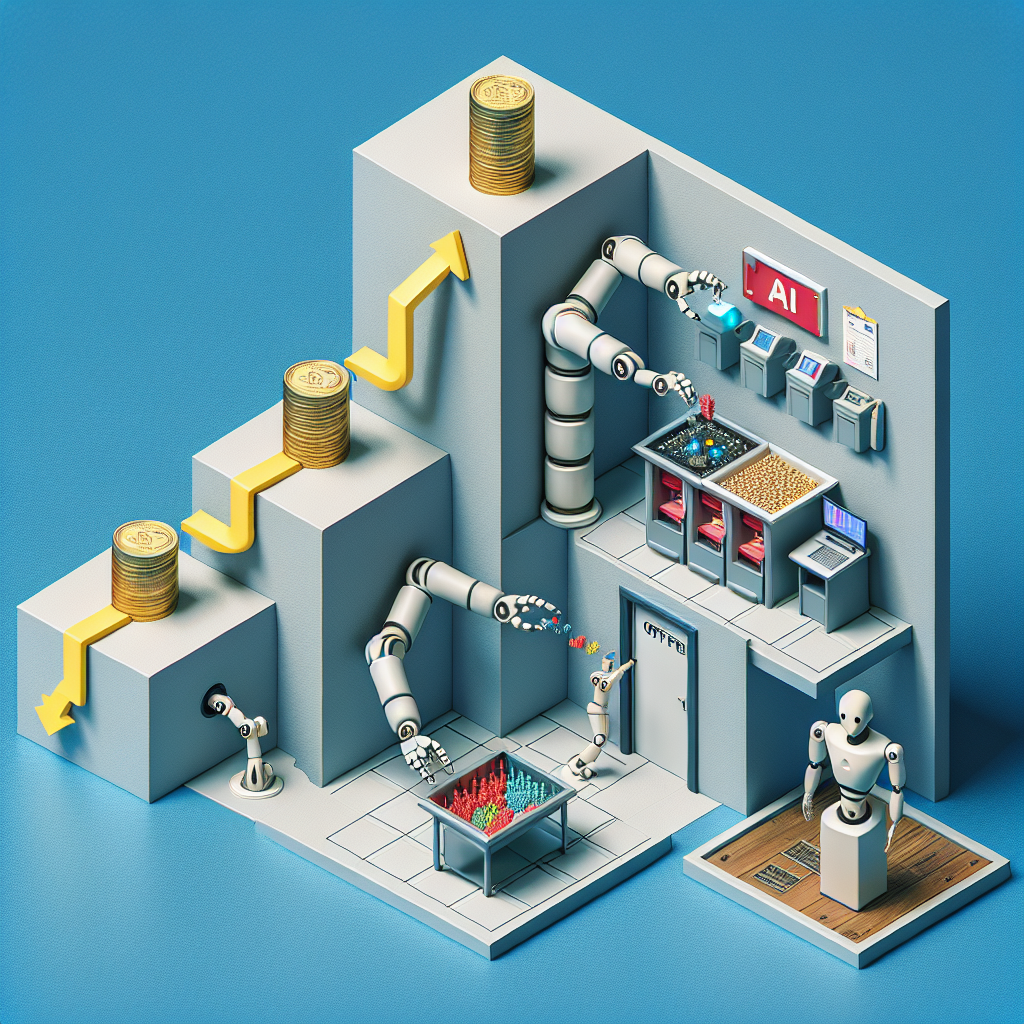
Once upon a time, entry-level creative jobs—graphic designer assistant, junior copywriter, storyboard artist—were stepping stones for ambitious individuals hoping to shape the cultural landscape. These roles served as on-ramps to lifelong creative careers. Today, that ladder is rapidly disintegrating, thanks in large part to the swift advancement of artificial intelligence.
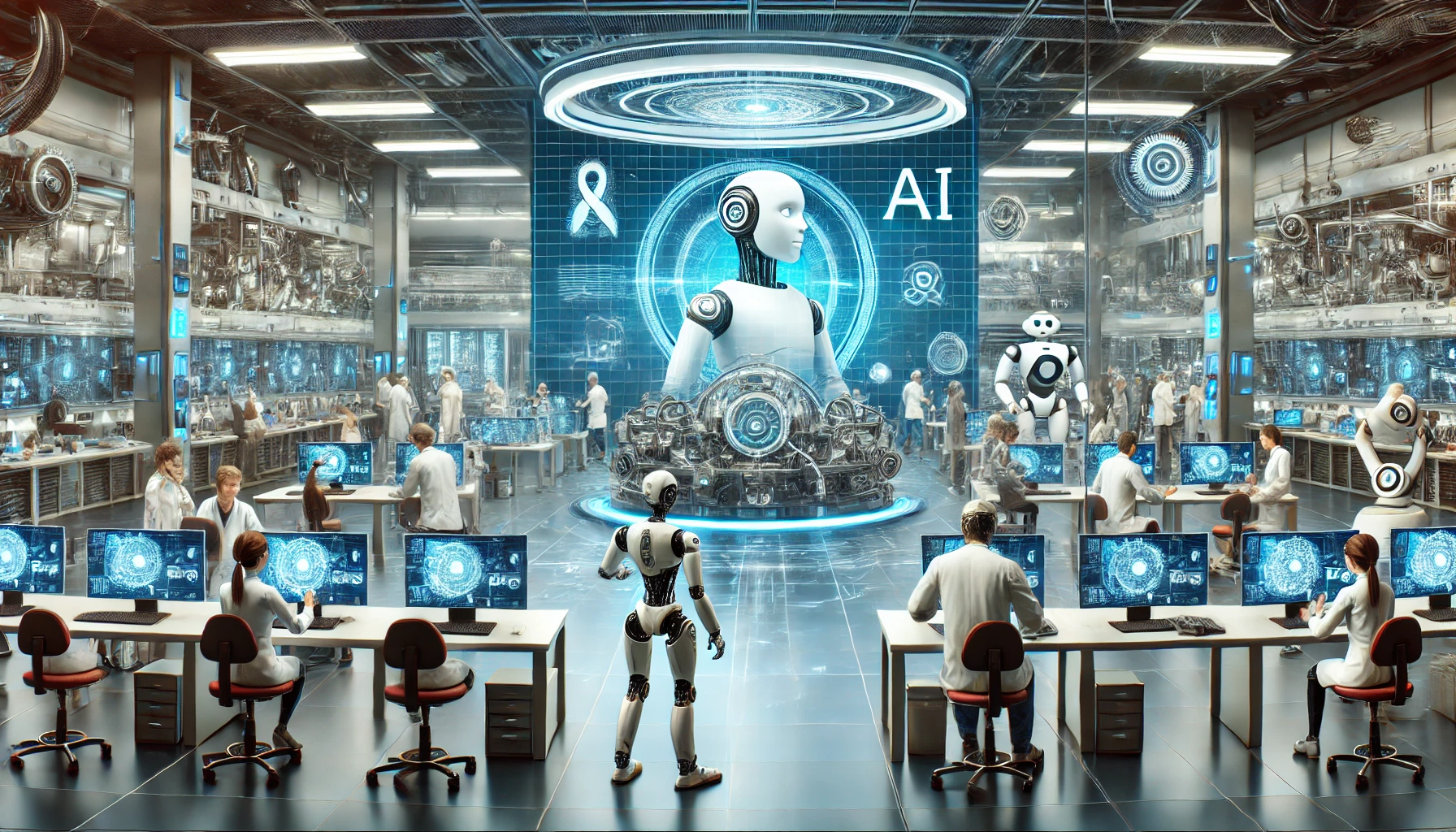
AI technologies are increasingly taking over tasks traditionally reserved for entry-level creative professionals. From crafting social media graphics to generating storyline drafts and product packaging mockups, AI isn’t just assisting creativity—it’s replacing the foundational jobs that once nurtured it.
AI’s Infiltration of Creative Fields
AI generators like Canva’s Magic Studio, ChatGPT, and Adobe’s Firefly have brought professional-level tools into the hands of practically anyone. These technologies provide instant layouts, social media posts, marketing copy, and even video concepts. For businesses, this shift improves efficiency and cuts costs. But for early-career creatives, this automation comes at a steep price.
The Disappearance of Entry Points
Young professionals no longer build their portfolios through freelance gigs, internships, or junior roles in design studios or advertising agencies. Those essential first jobs—the training grounds—are vanishing. In their place are AI-driven tools that can produce acceptable (if uninspired) results at unprecedented speed.
Without those foundational experiences, future artists and writers have no clear way to learn the nuances of their craft, develop alongside a mentor, or make the kinds of mistakes that lead to growth. In short, the ladder to success has no bottom rungs.
Cost-Efficiency vs. Career Development
From a corporate mindset, the shift makes sense. AI reduces expenses, simplifies workflows, and enables small teams to do more with less. Why pay a junior designer $50,000 a year when Canva can create ten versions of a brochure in seconds?
This cost-efficiency, however, comes at a long-term cost:
- Stunted Creative Talent Pools: Without training opportunities, the next generation of artists and writers will struggle to emerge.
- Loss of Innovation: Entry-level workers often bring fresh perspectives. Their removal from the pipeline diminishes diversity and innovation.
- Cultural Homogenization: AI-generated content often mimics dominant aesthetics or formulaic writing, leading to dull, repetitive creative output.
The Creative Crisis: Automation Without Apprenticeship
Most professions rely on a pipeline of mentorship, hands-on learning, and gradual skill development. A junior copywriter eventually becomes a creative director. A storyboard artist becomes a series showrunner. These transformations require time, space to experiment, and access to real-world creative problems.
AI disrupts that process by making “acceptable” outputs without the need for training or human context. The result is an industry with fewer skilled professionals and more reliance on algorithms.
Who Gets Left Behind?
The people most affected by this shift are aspiring creatives from underrepresented backgrounds, who often rely on accessible entry-level roles to gain traction in industries historically defined by gatekeeping. As AI replaces these initial access points, it widens existing inequalities and narrows pathways to success.
Learning Without Doing: An Unnatural Ask
The traditional model of creative development is experiential—learning by doing, by shadowing, by failing and trying again. With AI filling in many “doing” roles, new creatives are being told to learn and grow from watching or passively consuming.
This form of “learning without doing” isn’t sustainable. Creativity is muscle memory. Without opportunities to practice, young talents can’t refine their instincts or develop a distinctive voice.
Mentorship Gaps
Another consequence is the disappearance of mentorship. Junior roles enable close contact with experienced professionals who pass down industry wisdom. With fewer teams hiring fresh talent, those organic mentor-apprentice relationships are drying up—leaving aspiring creatives to navigate their careers solo, or not at all.
Reimagining the Path Forward
While the rise of AI in creative industries is largely irreversible, the way we integrate it doesn’t have to be fatal to the next generation of talent. Companies, institutions, and individuals must think beyond immediate productivity and consider long-term creative sustainability.
Possible Solutions:
- AI-Aided Training Labs: Use AI tools as educational resources within mentorship or apprenticeship programs, teaching creatives how to work alongside machines.
- Paid Creative Residencies: Fund positions for emerging artists in brands, media houses, or non-profits that use both analog and AI tools.
- Mentorship Ecosystems: Pair early-career creatives with seasoned professionals in hybrid environments where human intuition complements digital efficiency.
Conclusion: Choosing Creativity’s Future
We’re on the brink of a vital decision: Will AI aid the creative industry in evolving or will it erode the very foundation that sustains it? The disappearance of entry-level creative jobs is not just a labor issue—it’s a cultural crisis.
If we don’t protect and reimagine early-career opportunities, we risk a future built on generic content and forgotten potential. The creative ladder needs bottom rungs. Without them, few will reach the top—and culture will suffer for it.

Leave a Reply